Rockville, MD · Garage Door Service
Rockville homes built mostly in the 1960s and 70s often still have the original uninsulated door. Here's what that means for a cold-climate house and when to replace it.
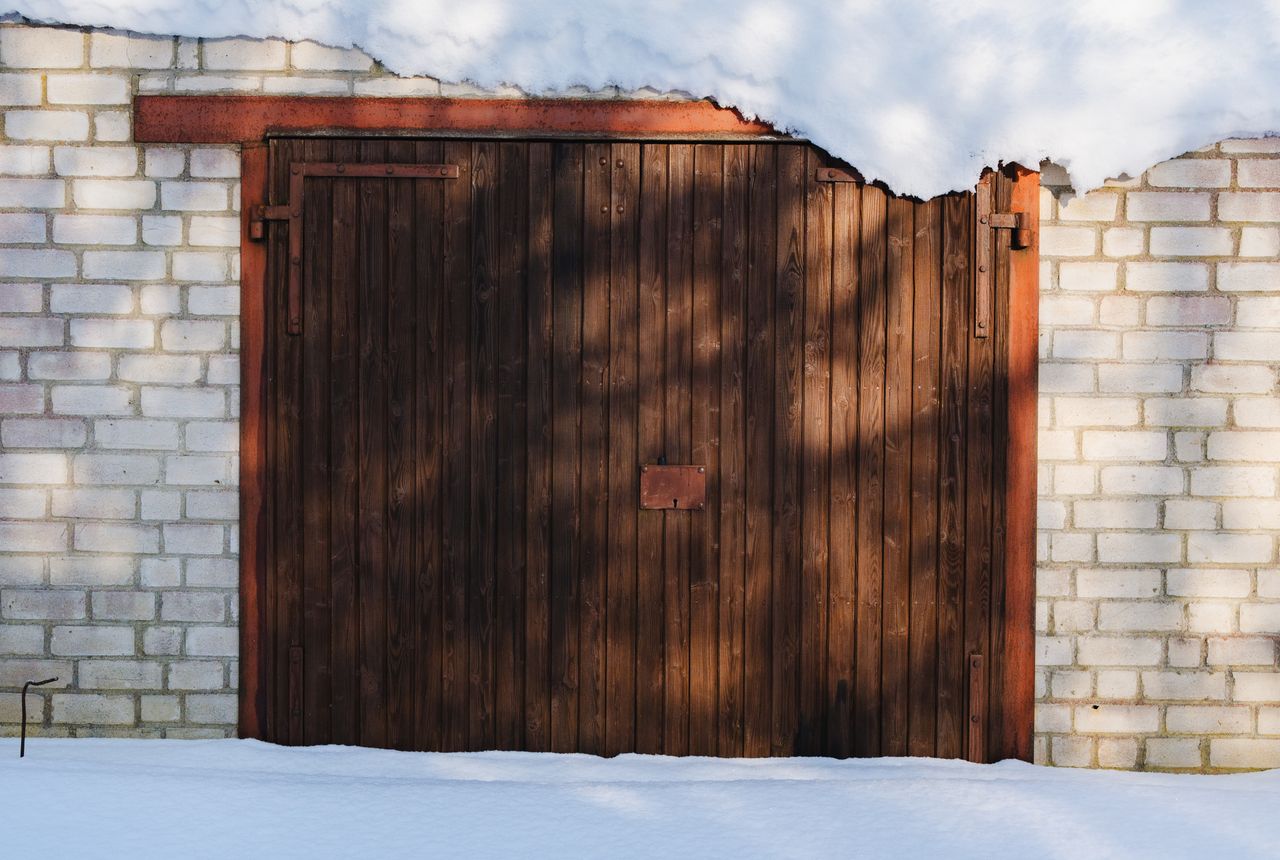
Housing in this part of Rockville mostly went up between 1948 and 2014, with the median build year sitting around 1970, and most of the 62 named areas nearby carry the same 1960s-70s stock. That matters for garage doors because insulation requirements for residential doors didn't exist when these houses were framed. A single-layer steel or wood door was standard, and a lot of those original doors are still hanging on their original tracks decades later.
If your house falls in that build window, there's a good chance the door predates any expectation that it hold back cold air. It was built to keep out weather and keep the car dry, not to insulate a room. If you've got a workshop, home gym, or finished space over or next to the garage, that gap in the original design shows up as a cold wall you can feel from across the room.
This isn't a defect. It's just what was normal construction practice for a Rockville house built in that era, before insulated doors became common in the trade.
A single-panel uninsulated door on a house from the 1960s or 70s will keep opening and closing for years without insulation ever being the reason it fails. Springs wear out, rollers seize, and cables fray regardless of the R-value of the panel. So leaving an old uninsulated door alone isn't dangerous, and it isn't going to strand your car.
What it does cost you is comfort and energy, especially given the cold winters typical of this area. An uninsulated steel panel is a thin sheet of metal between your garage and outside air. If the garage shares a wall with living space, which is common in houses from this build period, that thin panel is doing a lot of the work of the exterior wall around it, and doing it badly.
Honest limitation: insulating an existing door with retrofit kits helps some, but it doesn't match a factory-insulated panel, and on an old door with warped panels or gaps at the seams, a kit won't fix what's really letting air through. Sometimes the door itself is the problem, not just the missing foam.
The common mistake is treating an uninsulated door as a spring problem or a noise problem and fixing that piece while the underlying panel stays the same. You replace the springs, the door runs quiet, and the garage is still fifteen degrees colder than the house all winter. The spring job and the insulation job are two different repairs, and only one of them changes how the room feels.
The other mistake, more specific to houses built mid-century through the 70s across this area, is assuming the original door is worn out because it's old, when actually it's structurally fine and just uninsulated. Age alone isn't a reason to replace a door that still tracks straight and seals reasonably well at the bottom. If the panel is solid, insulating or replacing just the weatherstripping can close a lot of the gap without buying a whole new door.
We won't tell you to replace a working door just because of its build year. We'll tell you what it's actually doing wrong, and let you decide if that's worth fixing.
This area sits in a cold climate zone with real winter severity, and an uninsulated garage door built before insulation was standard practice takes that cold directly. Steel contracts in low temperatures, and an old single-layer panel with no thermal break will flex and gap at the seams more than a modern insulated one does on the same cold morning.
That contraction is also why old hardware on these houses tends to bind up hard in a cold snap: rollers and track that ran fine in October start scraping and sticking in January, because everything metal shrank slightly and the tolerances in a decades-old setup weren't built with a foam core taking up some of that movement.
If your garage is attached and shares ductwork or a wall with living space, an uninsulated door built in that 1948-2014 era, with most of this area's stock from the 60s and 70s specifically, is one of the more direct paths for that cold to get into the house. It's worth checking whether the door or just the seal is the actual leak before deciding what to fix.
If your Rockville house was built in the 1960s or 70s, which covers a lot of the housing stock in this area, there's a strong chance the original door is a single uninsulated steel or wood panel. Look for a hollow-sounding panel with no visible foam backing when you open it.
If the panel is straight and the hardware is sound, a retrofit insulation kit can help some. But on an older door with warped panels or gapped seams, the leak usually isn't the missing foam, it's the seal, and a kit won't fix that.
Yes, more than in a mild climate. This area sees real winter severity, and a thin uninsulated panel with no thermal break moves more in the cold, which opens gaps at the seams right when you need the seal the most.
Call now or request a free quote - same-day service on most repairs, upfront written pricing.