Rockville, MD · Garage Door Service
Rockville homes mostly date to the 1960s-70s, with stock running 1948-2014. Here's how to tell if your garage door is worth repairing or replacing.
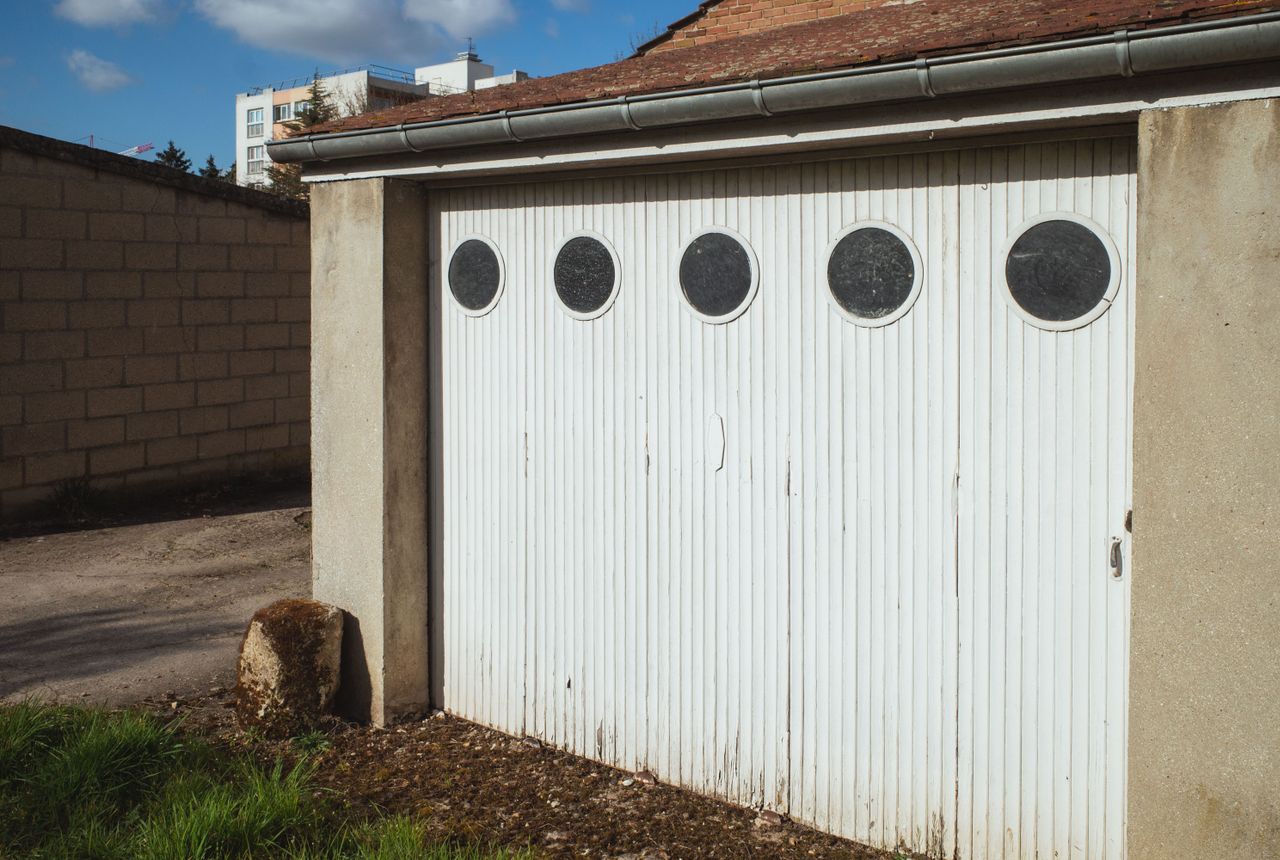
Housing in this part of Montgomery County went up mostly between 1948 and 2014, with the median build year landing around 1970. That means a lot of the doors we get called on aren't the door that came with the house anymore, but a replacement someone put in during the 80s or 90s, sitting on hardware that's older still. Across the 62 named areas in this service territory, the pattern repeats: 1960s and 70s construction, garages that were built to a size and clearance standard nobody uses now, and openers bolted onto track that's been re-shimmed more than once.
The question we get asked, standing in a driveway with a door that won't open, isn't really "can you fix this." Almost anything can be fixed for a price. The real question is whether the money is better spent on parts for a door built to an old spec, or on a new door sized to fit that same 1970s-era opening. There's no single answer - it depends on what's actually failing, not just what looks bad. A dented panel on a sound frame is a different job than a bent track on a door that's already been repaired twice.
A door that sticks, drags, or drops fast on the way down doesn't fix itself, and in this climate it gets worse on its own schedule, not yours. Cold-weather cycling is hard on springs that are already carrying more wear than a spec sheet assumes for a house built decades ago. Leave a failing spring alone through one severe winter and you're not looking at the same repair in spring - you're often looking at a cable off the drum, or a section cracked from being forced.
We won't tell you every noisy door is an emergency. Plenty of the doors on 1960s and 70s-era homes here are loud because the rollers are original and dry, not because anything's about to fail. That's a lubrication and adjustment job, not a replacement conversation. But a door that's started binding on the track, or an opener that's straining audibly, is telling you something about hardware that's already older than the paint job. Waiting doesn't save the door. It usually just moves the job from a repair to a full teardown.
The most common mistake we see in houses from this era is replacing the opener and assuming that solves a door problem. An opener from the 90s bolted to a 1970s track is fighting geometry it was never built for, and a new opener on the same bad track just fails faster. If the track, hinges, and rollers are original to a house built in that 1948-2014 window, the door's actual working parts may be more worn than the visible symptoms suggest.
The other mistake is treating every old door as not worth saving. A well-built door from that era, if the panels haven't rusted through and the frame is square, often has real years left once the spring, cable, and roller set are brought up to current hardware. Full replacement makes sense when the frame itself has racked out of square or the panel material has degraded past the point rollers can travel true. Short of that, it's usually cheaper and just as durable to rebuild the moving parts on a door that's structurally sound.
This area sits in a cold, severe climate band, and that matters more for garage doors than most people expect. Steel contracts in hard cold, which tightens tolerances on track and rollers that were already set decades ago for a warmer average. Springs lose a measurable amount of lifting power as temperature drops, so a spring that's marginal in October can fail outright on the first hard freeze. That's not a defect in the door - it's just what cold does to metal that's already fatigued.
Houses in Derwood, Redland, and the other close-in areas around Rockville see the same swings, so this isn't unique to one street. What it means practically: if your door is original or close to it, get the spring and cable checked before winter, not after something snaps in single-digit weather. We'll be straight with you - if the door's wood has gone soft or the panel material is past flexing safely in the cold, that's a replacement conversation, not a repair one.
Usually, if the frame is still square and the panels haven't rusted or rotted through. Most homes in this area date to that era, and the moving parts - springs, cables, rollers - can be rebuilt on solid hardware. Once the frame has racked or the panel material has degraded, repair stops making sense and full replacement is the better spend.
This area sits in a severe cold climate band, and steel springs lose lifting power as temperature drops. A spring that's already worn from years of cycling can hold on through fall and fail outright on the first hard freeze. It's not a sign of a bad door, just cold metal meeting fatigue that was already there.
Only if the track, hinges, and rollers are in good shape. On a lot of houses here, the opener has been swapped once already while the original 1970s-era track stayed in place. A new opener on worn track just fails faster - it's worth having the door hardware checked before spending on the opener alone.
Call now or request a free quote - same-day service on most repairs, upfront written pricing.